Are you moving to Barcelona to start university and interested in learning Catalan? Moving to a new city is a great opportunity to meet people, discover a different culture and learn a language that is part of everyday life in Catalonia.
Although you can study and get by in Barcelona using Spanish or English in many situations, learning Catalan will help you communicate with more people, get involved in university life and discover more about the city.
In this article, we’ll explain where you can learn Catalan in Barcelona, what options are available to students and how to make the language part of your everyday routine while making the most of your university experience.
Do you need to learn Catalan to study in Barcelona?
Learning Catalan is highly recommended if you’re planning to live in Barcelona, as it can be a real advantage during your university years.
The language of instruction varies depending on the university and degree programme. If you’re planning to study in Barcelona, it’s worth checking which languages your classes will be taught in and reviewing your university’s information before the academic year begins.
Outside the classroom, you’ll come across Catalan in shops, cultural activities, associations, events and everyday conversations.
Knowing a few expressions will help you feel more confident in everyday situations and become more familiar with your new surroundings.
Learning Catalan can also help you:
- Settle into university life and meet students from different backgrounds.
- Gain a better understanding of Catalan culture and traditions.
- Feel more comfortable in everyday situations, such as shopping, asking for information or taking part in activities.
- Develop your language skills and open up future career opportunities.
You don’t need to be fluent from day one. Starting with a few basic expressions and building your knowledge gradually is a great way to get familiar with the language.

1. Where to take Catalan courses in Barcelona
If you prefer a more structured approach to learning Catalan, you can choose from in-person courses, online classes and programmes offered by universities.
Here are some of the options worth exploring.
Consortium for Language Normalisation (CPNL)
The Consortium for Language Normalisation is one of the main organisations offering Catalan courses in Barcelona.
It provides adult language courses at different levels, from beginner to advanced, including in-person classes and other learning formats depending on availability.
Beginner A1 and basic A2 courses are free as part of the Consortium’s general course programme. Higher-level courses may have tuition fees, although discounts are available in certain circumstances.
How can you enrol?
- Explore the courses available at the CNL in Barcelona.
- Find the level that best matches your current knowledge.
- Check registration dates, class schedules and availability.
- If required, take a placement test or provide proof of your existing language skills.
- Complete your registration following the centre’s instructions.
Registration dates and course availability vary depending on the time of year and level, so it’s a good idea to check the official information before planning your university schedule.
Catalan courses offered by universities
If you’re moving to Barcelona to study for a degree, it’s also worth finding out whether your university offers Catalan courses for international students or newcomers.
The INTERCAT platform brings together resources and tools designed to help university students learn Catalan. It provides information on language resources and learning opportunities available at different universities across Catalonia.
This can be a particularly convenient option if you want to fit language learning around lectures, assignments and exams.
Before signing up, check the entry requirements, class schedules and whether the course is only available to students enrolled at a particular university.
Language Schools and Other Learning Centres
You can also find Catalan courses at official language schools, adult education centres and private language academies.
This may be a good option if you prefer smaller groups, specific class times or a learning format that fits your schedule.
To find a suitable centre, you can use the official directory of places to learn Catalan, which lists different learning opportunities.
Before making your decision, compare prices, course duration, levels, teaching formats and whether you’ll receive a certificate after completing the course.
2. How to learn Catalan for free at home
If you have a busy university schedule or would rather start learning independently, there are plenty of online resources that allow you to study Catalan from home.
These tools are useful whether you’re a complete beginner or already understand some Catalan and want to improve your comprehension.
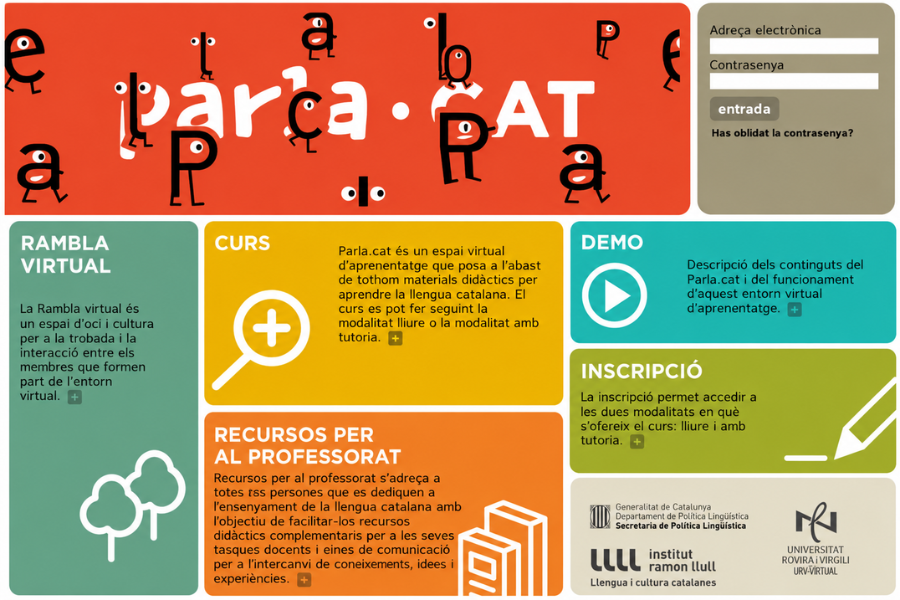
Parla.cat is an online platform where you can learn Catalan and explore Catalan culture. It offers a free self-study option as well as a paid option with tutor support. It’s a useful resource if you want to learn from home and progress at your own pace.
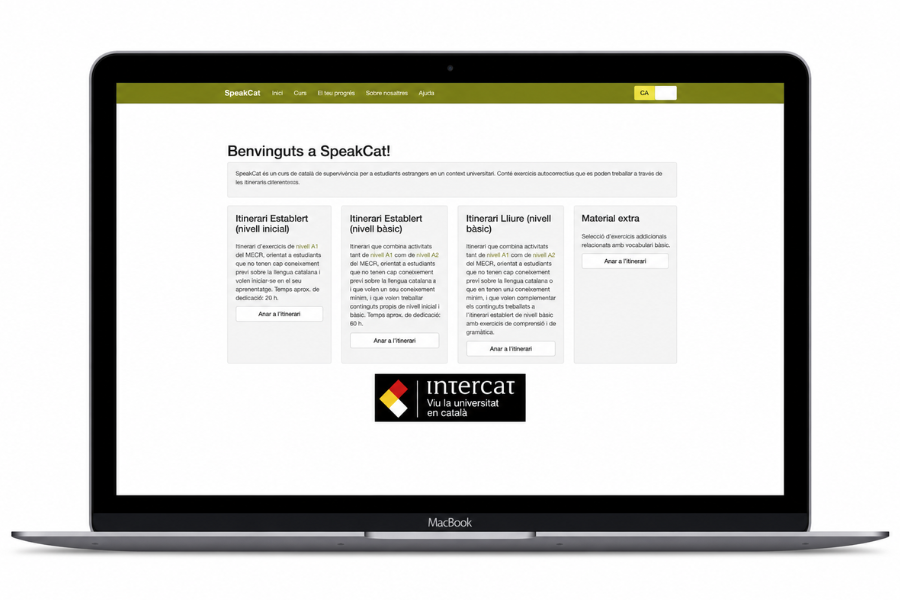
Intecat is a platform that offers a collection of Catalan learning resources aimed at university students. It can help you get familiar with the language before your classes begin or while you’re living in Barcelona.
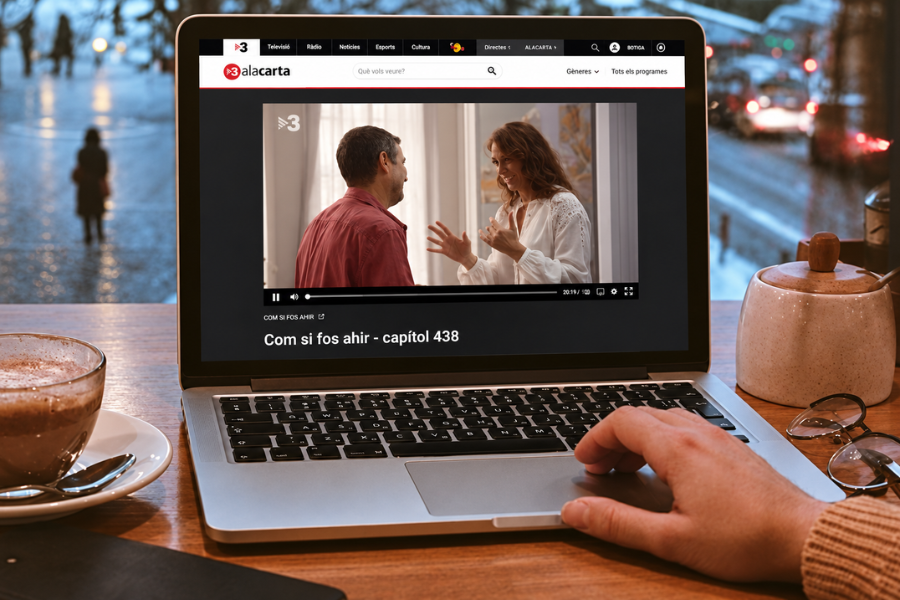
3Cat is a streaming platform offering audiovisual content in Catalan. Watching programmes, series and videos can help you get used to how the language sounds and pick up common expressions.
A good approach is to combine these resources: use an online platform to study vocabulary and grammar, listen to Catalan regularly and put what you’ve learned into practice in everyday situations.
3. How to practise Catalan in Barcelona outside the classroom
Studying Catalan is important, but using it in everyday situations will help you become more fluent and confident.
Barcelona offers plenty of opportunities to hear and practise Catalan naturally. You don’t need to plan anything complicated. Small habits that fit into your daily routine are a great place to start.
Join the Voluntariat per la Llengua Programme
The CPNL’s Voluntariat per la Llengua programme gives learners the opportunity to practise Catalan through conversations with volunteers who regularly speak the language.
The general programme is free and offers different ways to participate. Check the entry requirements to find out how you can join as a learner.
It’s a particularly useful option if you already understand some Catalan but find speaking difficult because you don’t get enough opportunities to practise.
Take part in university activities
Student associations, clubs, cultural groups and sports activities are great ways to meet people who share your interests.
Joining a university group will give you opportunities to hear Catalan in real-life situations and learn expressions related to your hobbies and interests.
You don’t need to speak the language perfectly to get involved. You can simply explain that you’re learning and ask people to repeat themselves if you don’t understand something.
Explore the city and its cultural activities
Visiting an exhibition, attending a cultural event or joining a workshop are all ways to connect with your surroundings and hear Catalan outside the classroom.
Have a look at Barcelona’s cultural events calendar and choose activities that interest you. Learning is often easier when you connect the language with experiences you enjoy.
The key is to practise regularly, even if it’s only for a few minutes each day.
4. Tips for learning Catalan faster while at university
Learning a language takes time and consistency. When you’re also juggling lectures, assignments and exams, the most practical approach is to establish a routine you can stick to throughout the academic year.
- Make time for Catalan every day: Set aside 10 to 20 minutes to review vocabulary, listen to audio content or complete an exercise. Studying a little every day is often easier to maintain than spending several hours studying at once.
- Listen to Catalan, even if you don’t understand everything at first: Start with short videos, programmes or content that interests you. Try to recognise familiar words and expressions that come up regularly.
- Start speaking from day one: Don’t wait until you’ve mastered the grammar before having conversations. Use simple sentences and ask for help when you’re unsure how to say something.
- Gradually change your digital habits: Try listening to a podcast in Catalan, following social media accounts that publish in the language or exploring websites and online resources in Catalan.
- Find opportunities to practise with other people: University activities, language exchanges and everyday conversations will help you become more confident.
- Don’t be afraid of making mistakes: Mistakes are a natural part of learning. What matters is recognising where you can improve and continuing to practise.
5. Living in student accommodation: an opportunity to practise Catalan
Learning a language isn’t just about attending classes. Where you live can also help you hear different languages, meet new people and take part in activities.
At Unihabit, you’ll find a range of student accommodation options, including university residences and apartments in Barcelona and other cities across Catalonia.
Depending on the residence, shared spaces and group activities can make it easier to meet other students and share experiences during your stay.
Spending time with students from different places may also encourage you to practise Catalan, although this will depend on who you spend time with and which languages you normally use together.
6. How long does it take to learn Catalan?
There’s no fixed amount of time it takes to learn Catalan. Your progress will depend on your native language, the other languages you speak, how much time you spend studying and how often you get the chance to practise.
Your goals also make a difference. Learning enough Catalan to order food, understand directions and greet people is very different from preparing for an official language certificate.
To make steady progress, you can set yourself small goals:
- First few weeks: Learn greetings, numbers, common expressions and everyday vocabulary.
- First few months: Practise simple conversations and understand commonly used phrases and messages.
- Medium term: Expand your vocabulary, improve your listening skills and become more confident when speaking.
- Long term: Focus on grammar, writing skills and the knowledge needed to reach your target level.
These stages are only a guide, not guaranteed timeframes. The important thing is to set realistic goals and regularly review your progress.
Start learning catalan and make the most of university life in Barcelona
Studying in Barcelona gives you the chance to discover a new city, experience different ways of life and meet new people.
You don’t need to know everything before you arrive. What matters is being willing to learn, staying consistent and making the most of every opportunity to practise.
And if you’re looking for somewhere to live while studying, explore Unihabit’s student accommodation options and find the one that best suits your needs.
Frequently Asked Questions About Learning Catalan in Barcelona
Do I need a Catalan language certificate to enrol at a university in Barcelona?
It depends on the university, degree programme and admission requirements. There isn’t a single language requirement that applies to all courses. Check the specific requirements for the degree you’re interested in.
What’s the difference between A1, A2, B1 and B2 levels in Catalan?
These are language proficiency levels. A1 is the beginner level, while A2 means you can communicate in simple situations. B1 indicates greater independence in everyday situations, and B2 means you can communicate more fluently across a wider range of contexts.
Where can I check my Catalan level before signing up for a course?
The CPNL provides information on how to determine your entry level, either by taking a placement test or presenting a recognised qualification. You can find the details on the official CNL Barcelona website.