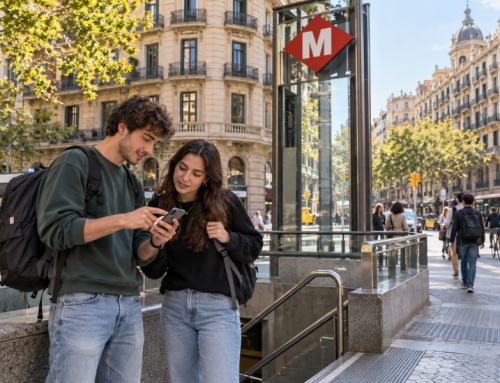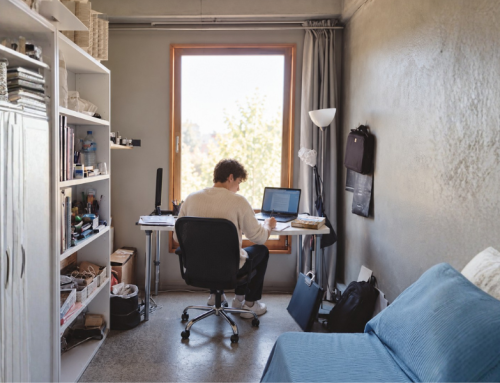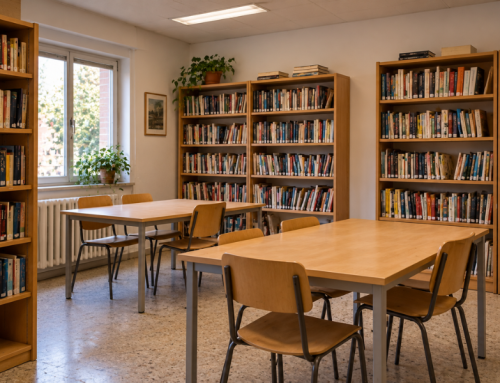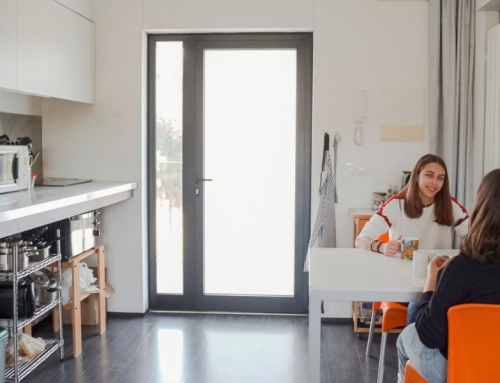
Starting university doesn’t only mean choosing what to study, but also deciding where to live and how to commute to campus every day. For many students, transport is a key factor when choosing a residence: travel time, comfort, connections, and overall quality of life. In this sense, living close to campus and being able to walk to class is one of the most valued aspects.
In Catalonia, cities such as Barcelona, Sant Cugat, Girona, and Manresa have an excellent public transport network that makes it easy to travel between different areas and university campuses. However, when a residence is located on campus or very close to the university, the usual way to get around is on foot, which simplifies daily life and saves time.
In the case of Unihabit residences, proximity to the university is one of their main distinguishing features. Many are located within the campus itself or just a few minutes’ walk from the faculties, allowing students to reach classes on foot every day. For this reason, public transport is mainly used to travel around the city centre or for occasional activities outside the university environment.
Transport and proximity to campus: what you need to consider
Before choosing a student residence, it is essential to consider the actual distance between the residence and the university.
Being able to walk to class is a major advantage, as it reduces commuting time, makes it easier to organise academic schedules, and improves quality of life during the academic year. In residences located within the campus, public transport is not necessary for daily university life.
Having bus stops, metro stations, or railway stations nearby is an added value for getting around the city, especially for academic, cultural, or leisure activities outside the campus. Checking routes on tools such as Google Maps can help estimate travel times for these occasional trips.
Residences such as those offered by Unihabit stand out precisely because they are located in well-connected areas, designed to make students’ daily lives easier and minimise travel times, even when travelling with luggage at the beginning or end of the academic year.
How to get to the university from a residence in Barcelona
In the case of Unihabit student residences in Barcelona, their central location allows students to walk to universities located in the city centre, such as the University of Barcelona. Daily commuting to class is mainly done on foot, without the need to use public transport. Public transport is used as a complement for getting around the city or for occasional trips.
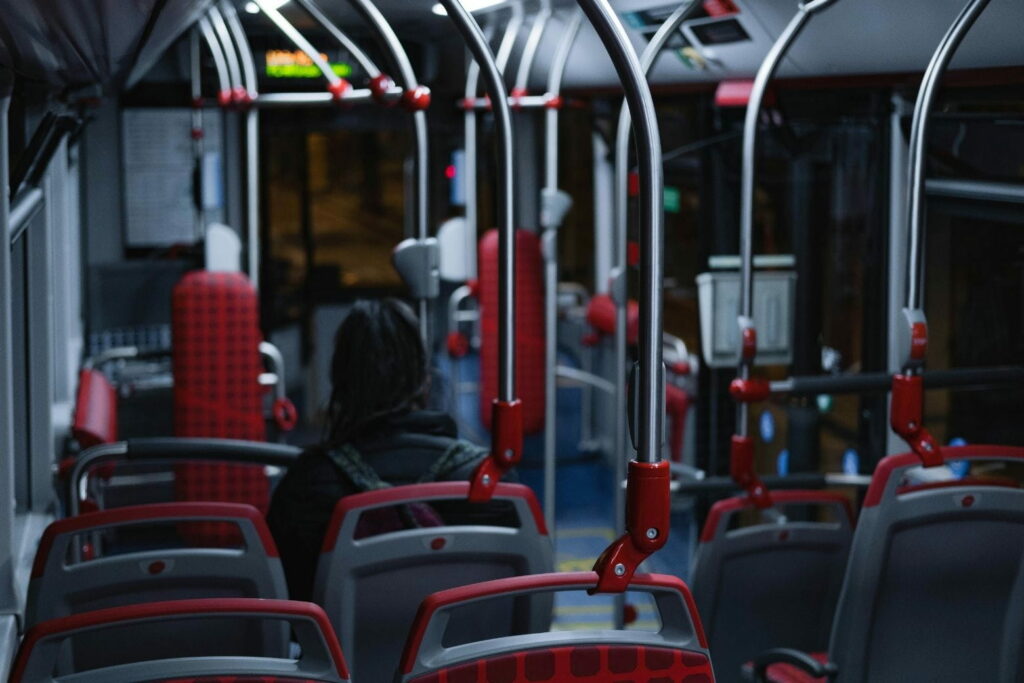
Public transport: metro, bus and FGC
From a Unihabit university residence in Barcelona, students can mainly reach the university on foot, as many of our residences are located just a few minutes’ walk from the faculties or within the university environment itself. This proximity allows for a comfortable and quick daily commute, without the need to use public transport.
When it is necessary to travel to other campuses in the city or the metropolitan area, students can use the metro, urban bus or the rail services of the Generalitat de Catalunya (FGC), which efficiently connect Barcelona with areas such as Sant Cugat, Bellaterra, or the Vallès. Many lines provide direct connections to major train and bus stations.
If you are looking for well-located residences in the city, you can explore Unihabit Unihabit university residences, such as the Ciutat Vella university residence or the Gràcia university residence, both situated in central areas with easy walking access to universities and services.
Best-connected universities from university residences
From Barcelona, it is easy to reach a wide variety of universities, both public and private, thanks to the extensive public transport network.
The University of Barcelona (UB), the Polytechnic University of Catalonia (UPC) and Pompeu Fabra University (UPF) have campuses that are well connected by metro and bus, with direct access to teaching buildings and classroom areas. Likewise, the Autonomous University of Barcelona (UAB) is accessible by rail, allowing comfortable journeys to Bellaterra. These options are complemented by private universities such as UIC, Abat Oliba and La Salle, located in areas with good transport connections from different parts of the city.
Other options: cycling, walking and night transport
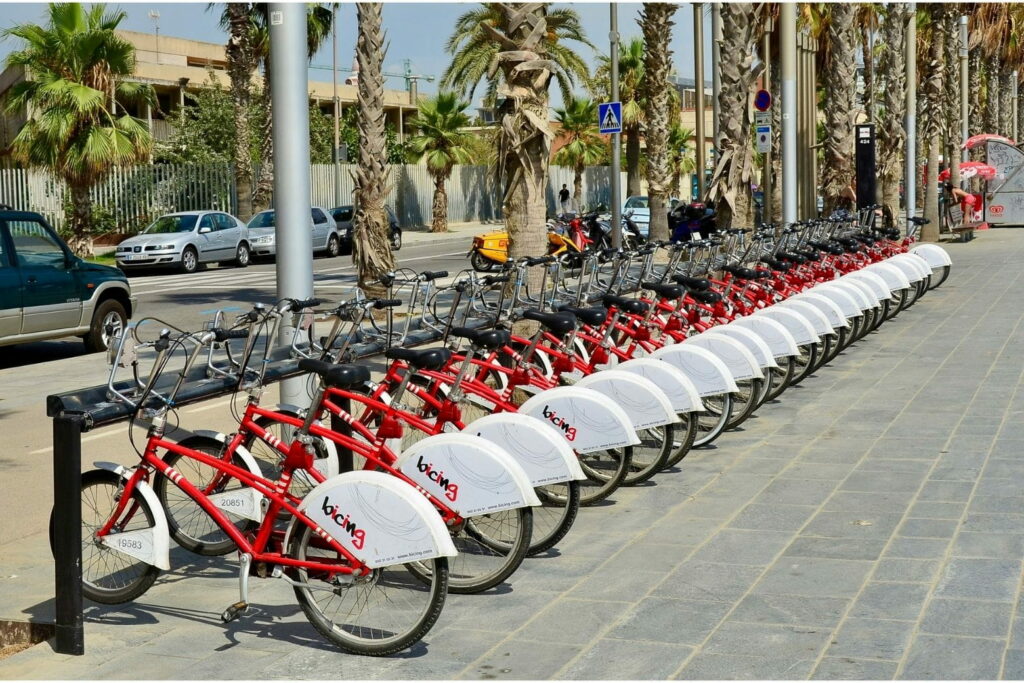
In addition to public transport, Barcelona offers multiple mobility alternatives designed for students’ day-to-day life. The city has an extensive network of bike lanes and the Bicing bike-sharing service, making short trips easier and more sustainable. In many neighbourhoods, especially well-located ones, it is possible to walk to faculties, libraries or study centres. On the other hand, the NitBus night bus network ensures mobility outside academic hours, allowing students to return to their residence safely after academic or leisure activities.
How to get to the university from a residence in Sant Cugat
Sant Cugat is a highly valued option for students seeking a peaceful and integrated university environment. The Unihabit residence in Sant Cugat is located within the ETSAV campus itself, allowing direct access to classrooms.
FGC connections with Barcelona and university campuses
The Ferrocarriles de la Generalitat de Catalunya (FGC) railway connects Sant Cugat del Vallès with Barcelona city center. However, for ETSAV-UPC students living in the Unihabit residence in Sant Cugat, public transport is not necessary for daily academic life. Living within the campus eliminates commuting time, making it easier to organise class, study, and rest schedules.
Travel time and comfort for students
Since the residence is located within the ETSAV-UPC campus, the daily journey to university is done on foot, without waiting times or long commutes.
The frequency of FGC trains from Sant Cugat is an advantage when students occasionally travel to Barcelona, for example, for academic, cultural, or leisure reasons. In these cases, student travel passes make mobility outside daily university life comfortable and affordable.
Advantages of living in a university residence in Sant Cugat
Living in a residence within the campus allows students to optimise their time, reduce stress related to commuting, and enjoy a calm environment focused on studying.
Transport from university residences in Girona
Girona is a comfortable and practical university city for everyday life. In the case of Unihabit, the student residence in Girona allows students to live within the Montilivi campus, where most faculties of the University of Girona are located. This proximity allows students to walk to class every day without needing public transport for daily campus travel.
Some specific courses may be taught in other areas of the city or in nearby towns, in which case public transport facilitates occasional travel.
The Unihabit university residence in Girona is connected to the city centre by various bus routes and cycle lanes, facilitating mobility for academic, cultural or leisure activities outside the campus.
How to get to the University of Girona (UdG) from the Unihabit residence
The location of the Unihabit university residence on the Montilivi campus facilitates daily access to the faculties, library and university services, integrating academic and residential life in the same environment.
To travel to the centre of Girona or other areas of the city, students can use the city bus or bicycle.
Urban transport and walking or cycling
Girona is especially comfortable for walking or cycling thanks to its short distances and accessible urban structure. For travel between the Montilivi campus and the city centre, the urban bus is the most practical and widely used option, with several lines directly connecting the campus with the city centre. This combination of walking, cycling, and bus travel allows for simple and efficient daily mobility.
Why Girona is a comfortable city for students
Living and studying in a city like Girona allows students to save time on commuting and enjoy a more relaxed lifestyle. It offers a close-knit university atmosphere and a lower cost of living than larger cities, helping students focus on their studies and enjoy daily life throughout the academic year.
How to get to the university from a residence in Manresa
The student residence in Manresa allows students to live next to the Manresa university campus, where the UManresa Campus and the UPC Manresa campus are located. This location enables students to walk to class and easily access teaching buildings and the library, without needing public transport in their daily routine.
Additionally, the residence is located just a few minutes’ walk from the city centre, allowing students to enjoy all the services Manresa offers comfortably.
Connections from Manresa for occasional travel
Manresa has railway connections, such as FGC or Rodalies, with Barcelona, intended for occasional travel outside the city.
Within the municipality itself, urban and interurban buses are a good option for reaching specific areas, such as the Congost area or various leisure zones, without using a private vehicle.
Advantages of studying and living in Manresa
Studying and living in Manresa allows students to enjoy a peaceful environment with a good balance between academic and personal life. Distances are short, and daily activities can easily be done on foot, with public transport available for occasional trips within the city.
Tips for students who commute daily from their residence
For students who need to commute from home or travel between different campuses, it is advisable to plan routes in advance and use public transport apps to optimise travel time and connections.
Taking advantage of student passes and discounts helps reduce expenses throughout the academic year, while avoiding rush hours whenever possible improves travel comfort. Combining public transport with walking or cycling can be a good option for short distances and contributes to more flexible and sustainable mobility.
Frequently asked questions about transport from university residences
Is it necessary to have a car to go to university?
It is not necessary to have a car to go to university. In most university cities in Catalonia, public transport provides extensive coverage of the main campuses and residential areas. In addition, many students choose to combine metro, bus or train travel with walking or cycling, thus avoiding extra costs and parking problems.
In the case of Unihabit residences, proximity to campus allows students to walk to class, avoiding costs and parking difficulties.
How long does it usually take to get to the university from a residence?
In most Unihabit residences, the journey is very short because they are located within the campus or just a few minutes’ walk away:
- Barcelona (Ciutat Vella): walking access to the University of Barcelona (UB) or Universitat Blaquerna. Other universities are very well connected by bus or metro.
- Sant Cugat del Vallès: residence located within the ETSAV-UPC campus.
- Girona: residence located on the Montilivi university campus (University of Girona – UdG).
- Manresa: residence on the Manresa Campus, next to UManresa and UPC Manresa.
Which means of transport do university students use the most?
The most common way of commuting for students living in residences near campus is walking, as many are located next to the faculties. When travel to other areas of the city is necessary, public transport, especially metro, bus, and railways, is the most widely used option.
Is it important to choose a well-connected residence?
Yes, choosing a well-connected university residence is essential to save time and improve quality of life during the academic year. Good transport connections make it easier to organise academic schedules, reduce daily stress and help balance studies, leisure and rest.
Living in a well-connected university residence makes the difference
Choosing a student residence well connected to major universities is a key factor in making the most of the academic experience. Good transport connections help save time on commuting, better organise study schedules, and enjoy a higher quality of life.
If you would like more information about Unihabit residences or have any questions, you can visit https://www.unihabit.com/en/, contact us by email at info@unihabit.com or call us on 935 953 953 or 608 608 829. You can also request information directly through the contact form.