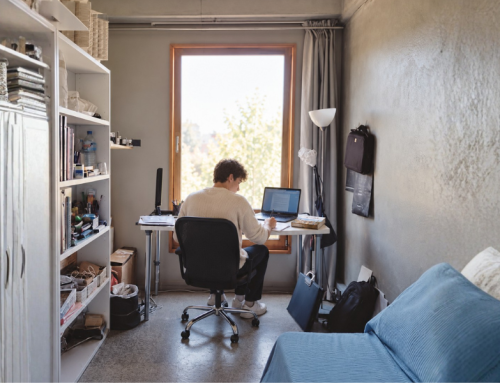
Living away from home for the first time comes with plenty of changes. Whether you’re moving to another city to study, sharing a flat or settling into a university residence, you’ll soon realise there are certain things you used to take for granted.
At first, it might seem like you need to buy everything: bedding, cleaning products, kitchen utensils, study supplies… But there’s no need to buy it all at once. The most practical approach is to start with the essentials and buy the rest as you work out what you actually need.
In this article, you’ll find a list of what to buy during your first few months living away from home, what you can leave until later and some tips to help you get organised without spending more than necessary.
Essentials for Your First Few Days
Before thinking about decorating your room or buying accessories, focus on the things you’ll use from day one.
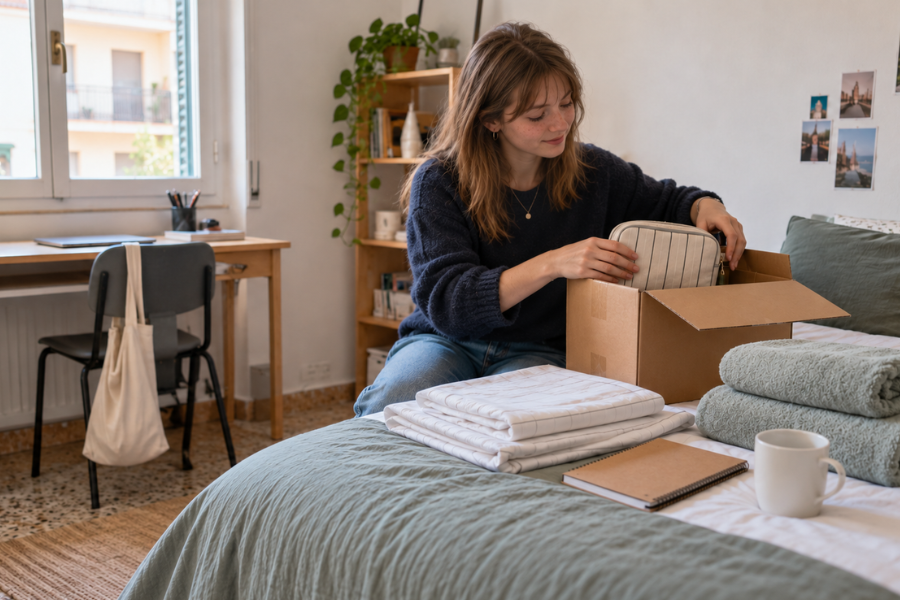
Bedding and Sleep Essentials
Getting enough sleep is important, especially when you have lectures, assignments and exams. Before buying anything, check what’s included in your accommodation and what you’ll need to bring yourself.
- Bed sheets
- Pillowcase and, if needed, a pillow
- Duvet or blanket, depending on the time of year
- Bath towel and hand towel
- Slippers
Don’t buy a complete bedding set without checking the mattress size first. This will help you avoid spending money on items that won’t fit.
Personal Hygiene
Pack a small wash bag with the products you normally use:
- Shampoo, shower gel and deodorant
- Toothbrush and toothpaste
- Comb or hairbrush
- Moisturiser and other personal care products
- Toilet paper, if your accommodation doesn’t provide it
- Laundry detergent for when you need to do your first load of washing
For the first few days, you can bring the products you already have at home. Later on, you can buy the sizes and formats that are most convenient and affordable for you.
Cleaning and Organisation
Keeping your space clean will help you feel more comfortable and prevent chores from piling up.
Some basic essentials include a cleaning cloth, a sponge, bin bags, a multipurpose cleaning product and a laundry basket. If you’re sharing a flat or living in a student residence, ask which products are shared and which ones you need to provide yourself.
What to Buy for Studying and Staying Organised
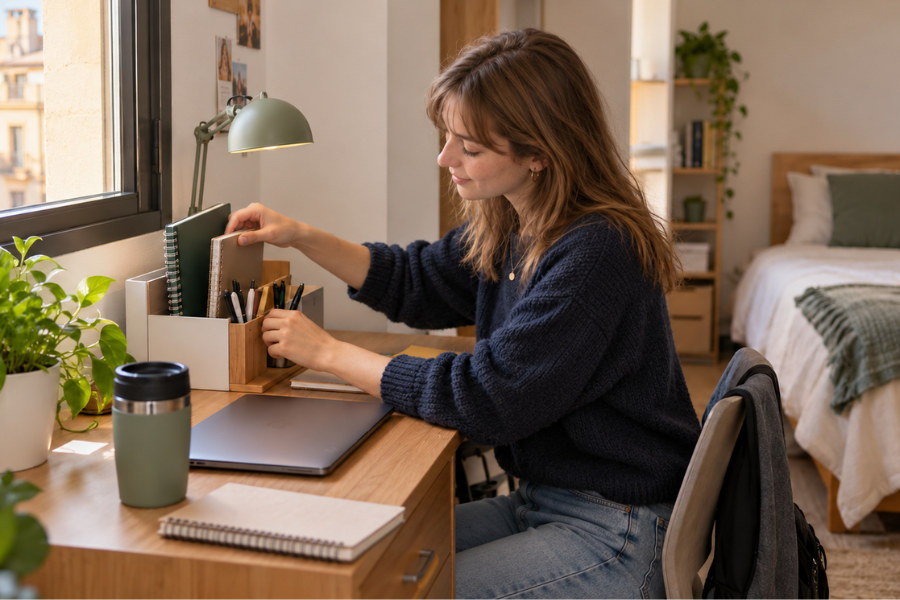
When you move away to study, your room becomes one of the places where you’ll spend most of your time. You don’t need to set up a complete home office, but you should have the basics to work comfortably.
Here are some useful items to buy:
- Notebooks, pens, pencils and highlighters
- A folder for keeping notes and documents
- A planner or calendar to organise assignment deadlines and exams
- Phone and laptop chargers
- An extension lead with multiple sockets, if permitted in your accommodation and you need one
- Headphones to help you study without distractions
- A desk lamp if the existing lighting isn’t sufficient
Before buying new supplies, check what you already have at home and what you can reuse. You can also wait until classes begin to find out which materials you’ll actually need.
What to Buy to Make Your Room Feel Like Home
As well as practical items, small personal touches can make your room feel more welcoming. They’re not essential for your first day, but they can help you settle into your new routine.
For example:
- Photos of family and friends
- A blanket for the sofa or bed
- An easy-to-care-for plant
- A box for storing accessories and small items
- A desk organiser
- A favourite mug or another personal item
It’s best to add these touches gradually. This gives you time to get to know the space and choose things that genuinely suit your lifestyle.
If you’re staying in a university residence, check the decoration rules before hanging pictures, attaching anything to the walls or bringing electrical appliances.
What You Can Leave Until Later
One of the most common mistakes when moving away from home for the first time is buying too many things before knowing whether you’ll actually need them.
Here are some purchases you can put off:
- Large packs of cleaning products
- Kitchen utensils that may already be provided
- Decorations for the entire room
- Storage organisers that might not fit in your wardrobes
- Small electrical appliances before checking your accommodation’s rules
- Extra bedding that you might not need
During the first few weeks, you’ll get a better idea of your routine, how much space you have and what’s genuinely missing. Waiting a few days before buying something is also a way to save money.
How to Save Money During Your First Few Months Living Away From Home
Moving involves new expenses, but with a little planning, you can avoid unnecessary purchases.
- Make a shopping list before heading to the shops: Divide the items into three categories: essentials, useful items and non-essentials. Buy the essentials first and review the other categories after your first few weeks.
- Check what’s included in your accommodation: Before buying bedding, utensils or cleaning products, check which facilities and equipment are already provided.
You can start by looking at the information about Unihabit’s university residences and confirming the specific details of your accommodation.
- Compare prices and pack sizes: Buying the largest pack isn’t always cheaper. If you have limited space or don’t yet know how much you’ll use, choosing a smaller size may be a better option.
- Make use of what you already have: Bringing some items from home, reusing folders or using containers you already own can help reduce your initial expenses.
- Set aside part of your budget for unexpected expenses: It’s normal for costs you hadn’t anticipated to come up during the first month. Try not to spend your entire budget on your first shopping trip, and keep a small amount aside for things you discover you need later.
Start This New Chapter With Peace of Mind
Living away from home for the first time means learning how to organise your schedule, manage your money and look after your own space. It’s normal to find that you’re missing a few things at first or realise you’ve bought something you didn’t actually need.
The important thing is to start with the basics, get to know your accommodation and adapt your purchases to your daily routine. Over time, you’ll find your own routine and work out which products are genuinely useful to you.
If you’re moving away to study, choosing accommodation that suits your needs can also make those first few months easier. At Unihabit, you can explore student accommodation options and learn more about their features before organising your move.
Frequently Asked Questions
How Much Money Do I Need to Buy the Basics When Moving Out?
It depends on what you already have and which services are included in your accommodation. To work out your budget, start by listing the essentials, checking prices and setting aside some money for expenses that may come up during the first few weeks.
What Should I Bring From Home Instead of Buying New?
You can bring your own bedding as long as it fits your bed, towels, unopened toiletries, study supplies, chargers and small personal items. Check how much storage space you’ll have beforehand so you don’t bring things you won’t be able to store.
Is It Better to Buy Everything Before Moving or Wait?
The most practical approach is to buy only what you’ll need for the first few days. Once you’ve moved in, you can check what’s included in your accommodation, how much space you have and which products you actually use.
What Do I Need if I’m Going to Live in a University Residence?
It depends on the facilities and equipment provided by each residence. Before packing your bags, check what furniture, bedding, utensils and communal areas are available, as well as the rules on electrical appliances and decorations.
How Can I Avoid Spending Too Much During the First Month?
Plan your purchases, make use of what you already have, compare prices and avoid buying large quantities until you know how much you use. It’s also helpful to keep a simple record of your expenses so you can see where your money is going.